
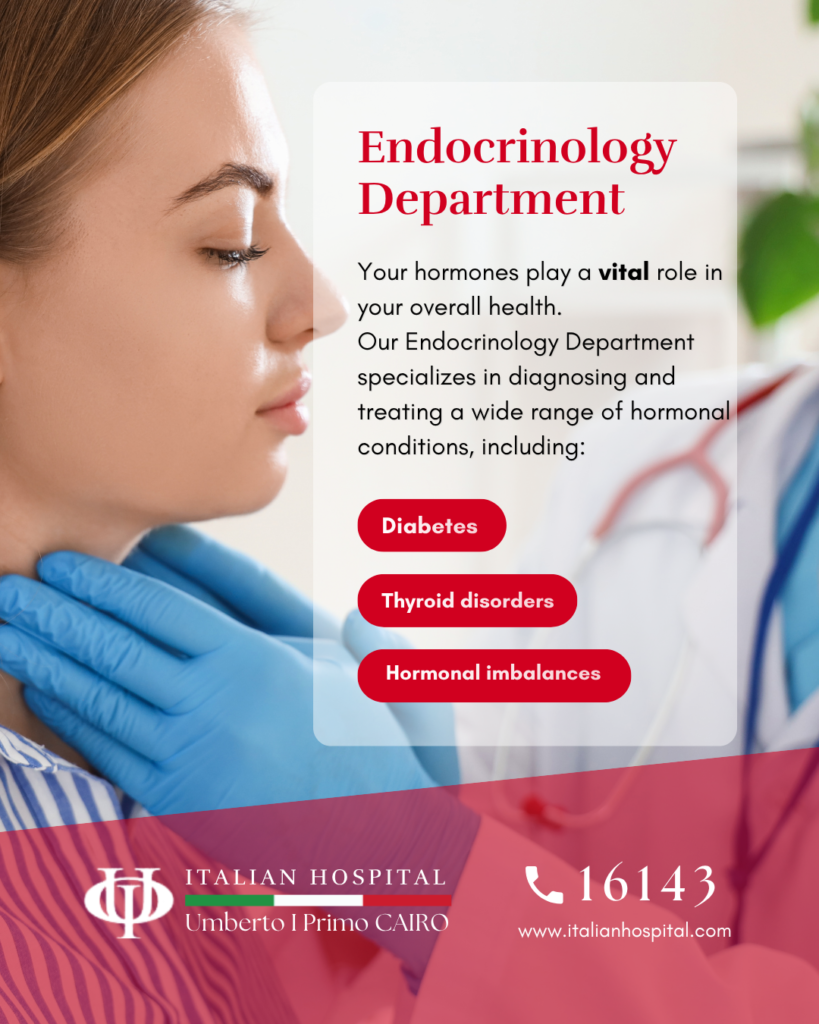
Hormones play a vital role in regulating almost every function in your body. From metabolism and energy levels to mood and growth, your hormones must stay balanced to maintain good health. This is where an endocrinology department becomes essential.
What Is an Endocrinology Department?
An endocrinology department specializes in diagnosing and treating conditions related to hormones. These hormones are produced by glands such as the thyroid, pancreas, adrenal glands, and pituitary gland.
When there is an imbalance, it can affect your entire body and lead to serious health issues.
Common Hormonal Disorders
An endocrinology department treats a wide range of conditions, including:
1. Diabetes
Diabetes is one of the most common endocrine disorders. It affects how your body regulates blood sugar levels. Proper diagnosis and management are crucial to prevent complications.
2. Thyroid Disorders
The thyroid gland controls metabolism. Conditions such as hypothyroidism or hyperthyroidism can lead to weight changes, fatigue, and mood disturbances.
3. Hormonal Imbalances
Hormonal imbalances can affect both men and women. Symptoms may include irregular periods, fatigue, acne, or unexplained weight gain.
Why Hormone Health Is Important
Balanced hormones are key to maintaining overall well-being. When your hormones are not functioning properly, it can impact:
- Energy levels
- Weight management
- Sleep quality
- Mood and mental health
- Reproductive health
Early diagnosis and proper treatment can significantly improve your quality of life.
When Should You See an Endocrinologist?
You should consider visiting an endocrinology department if you experience:
- Persistent fatigue
- Sudden weight changes
- Irregular menstrual cycles
- Excessive thirst or frequent urination
- Hair loss or skin changes
These symptoms may indicate an underlying hormonal issue that needs medical attention.
Our Approach to Endocrine Care
A specialized endocrinology department provides:
- Accurate diagnosis using advanced tests
- Personalized treatment plans
- Continuous monitoring and follow-up
- Patient education for long-term health
The goal is not only to treat symptoms but also to address the root cause of the condition.
Conclusion
Your hormones are essential to your overall health. Ignoring symptoms can lead to long-term complications, but with the right care, most hormonal disorders can be effectively managed.
If you are experiencing symptoms, don’t wait—consult an endocrinology specialist and take control of your health today.
0 Comments